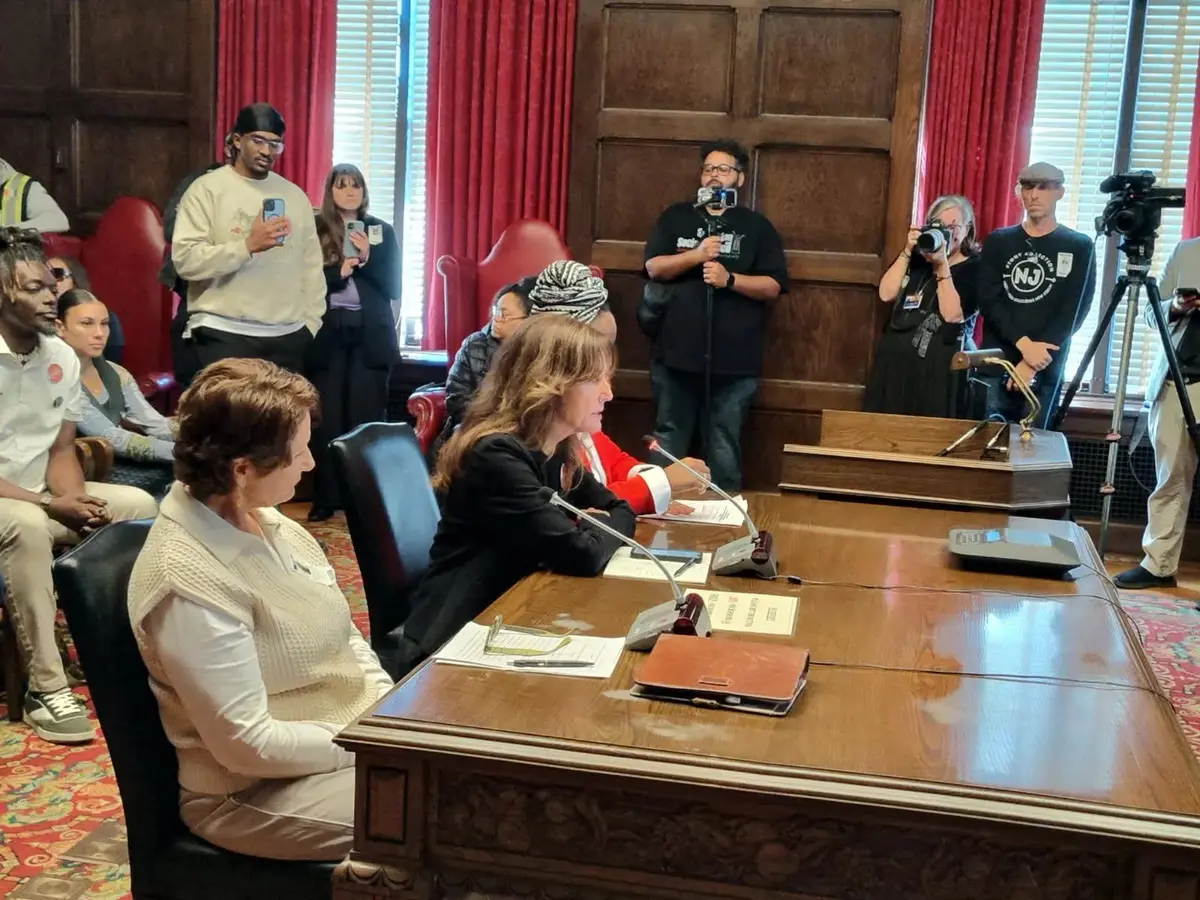
“Hands off our blood money!” is the message Sea Change Recovery Community Organization’s founding director, Elizabeth Burke Beaty, conveyed Oct. 22 in Trenton in the Holgate resident’s testimony before the New Jersey Assembly Oversight Committee.
Beaty’s comments – “on behalf of all those who’ve suffered” – addressed proposed legislation governing opioid settlement funds that were won in national lawsuits against pharmaceutical companies.
The National Opioids Settlement, first announced in 2021, is comprised of multi-billion-dollar agreements resolving state and local government litigation against major pharmaceutical manufacturers, drug distributors and pharmacy chains for their roles in creating the widespread, deadly opioid epidemic.
Assembly Bill A-5588, introduced on Oct. 5 by Assemblymen Cody D. Miller and Alexander “Avi” Schnall alongside Assemblywoman Maureen Rowan, expands oversight, transparency and accountability for national opioid settlement funds.
More than 1.2 million people have died from drug overdoses in the United States since tracking of the modern epidemic accelerated in the late 1990s (with over 932,000 dying between 1999 and 2020 alone), Beaty explained. Misuse of the settlement funds, she fears, means more would die.
Sea Change wants funding to reach the communities most impacted by the opioid overdose crisis, Beaty said. Joined by Not One More NJ, the NJ Opioid Settlement Advocacy Group and harm reduction allies across the state, Sea Change also voiced support for the effort led by the NJ Harm Reduction Coalition to file a rule-making petition urging the Department of Human Services to establish rules for local opioid settlement spending.
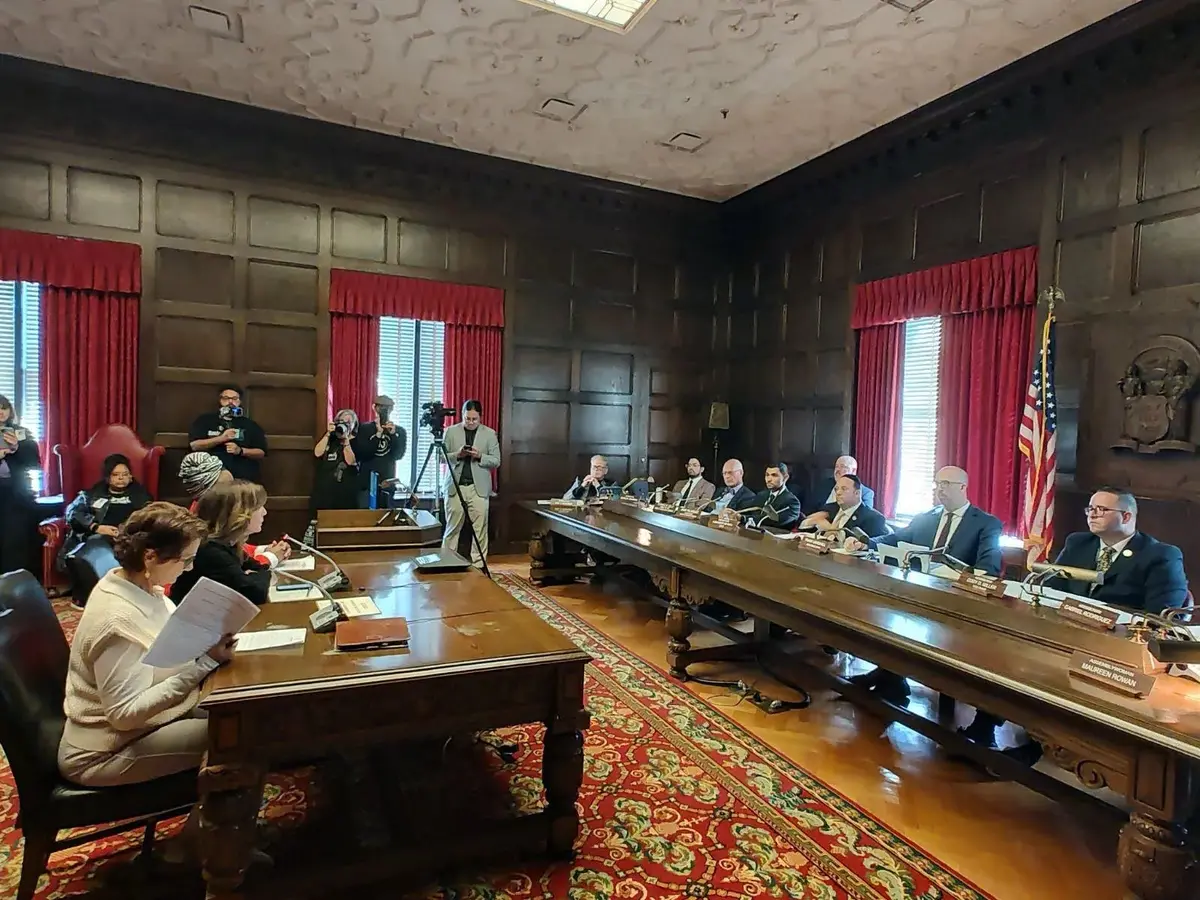
The petition is an essential vehicle for the public to have meaningful input, she continued. The department has legal authority and must ensure safeguards are enforced, she added. People who use drugs or are in recovery, families who have lost loved ones, harm reduction providers and recovery organizations must have “a genuine opportunity to identify gaps, offer practical solutions and shape concrete, community-informed revisions to this bill. New Jersey has made progress in reducing overdose deaths, but Black and brown communities and low-income rural communities continue to face significant barriers. We cannot claim success while leaving these communities behind.”
She pointed to resources such as the National Roadmap for Opioid Settlement Funds and NJOpioidSettlements.org that can help guide responsible spending.
“These funds represent an opportunity to save lives, support families and invest in community-based solutions,” Beaty said. “We must ensure they are used for their intended purpose, guided by the voices of those most affected by this crisis. We urge legislators to allow us to strengthen this bill and ensure these funds help repair harm and support the communities that need them most.”
Too much of the money is being spent on punitive approaches and unrelated expenses, she said. “The state Department of Human Services should be holding them accountable, setting clear guidelines and demanding responsible reporting with evidence – and they are not.”
In her testimony, Beaty told the committee that Sea Change is a state Department of Health-authorized harm reduction center and recovery community organization serving Ocean County and a state-wide advocate for drug policy reform and opioid settlement funds.
“Every day, with limited resources, Sea Change works to save lives through naloxone, overdose prevention, safer-use supplies, peer support and connections to treatment, housing and healthcare,” she said.
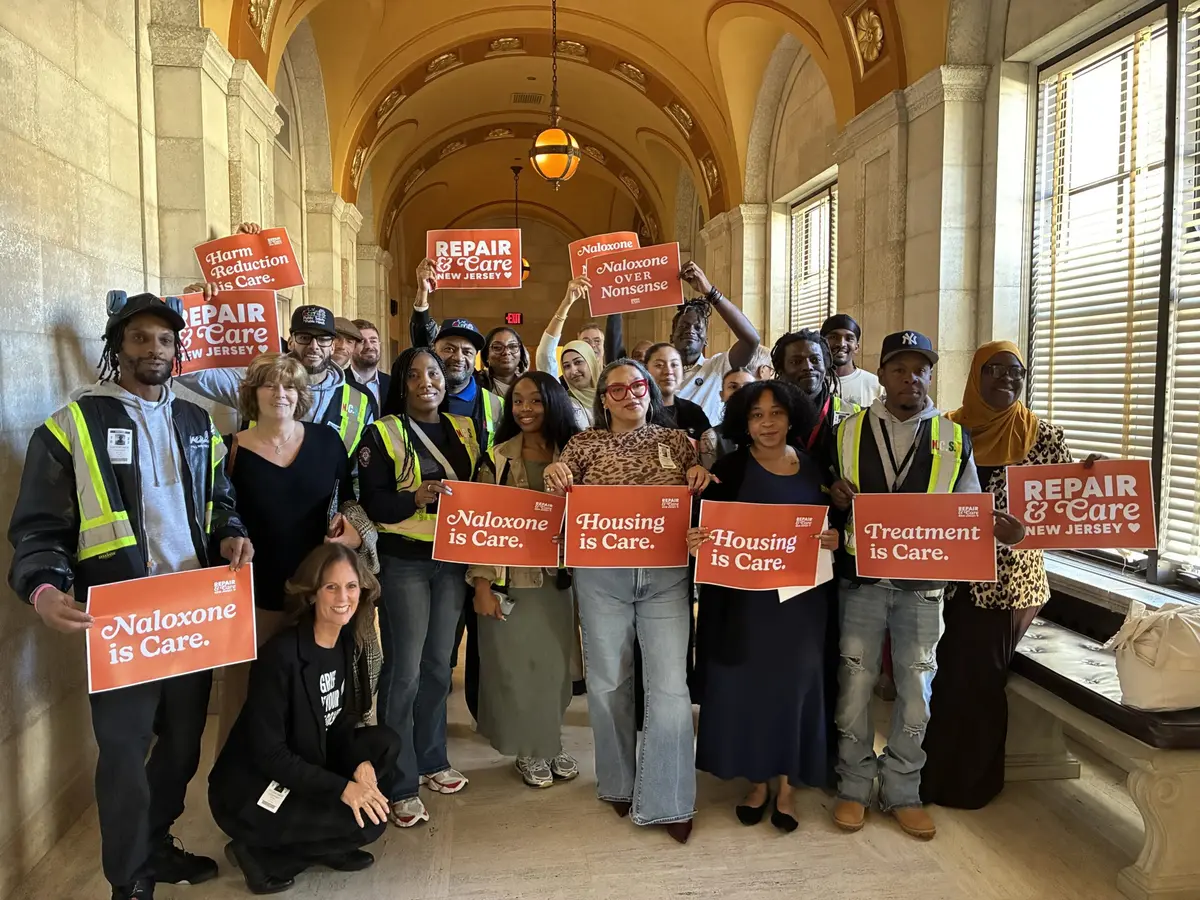
When government expenditures are misaligned with the settlement funds’ objective, lives are hurt rather than helped, she said.
“Opioid settlement funds are not a slush fund for budget gaps, unrelated expenses or punitive initiatives disguised as prevention,” she said. “They must repair harm, save lives and invest in communities devastated by this crisis.”
The plea to the Legislature: “to strengthen oversight, require public reporting and evidence-based spending plans, establish measurable outcomes, and hold decision-makers accountable for misuse and supplantation.”
On behalf of “our missing community members,” Beaty asserted, “this hearing and the next must be more than a formality. We bring lived experience, frontline knowledge and evidence that can make this legislation stronger.
“Our lost loved ones and those still fighting to survive deserve more than promises. These funds must serve our communities.”