Local educators are giving the state’s new bell-to-bell cellphone policy high marks after the first marking period came to an end last week, saying the rule seems to be having a positive impact so far at all levels of education.
At the start of the 2026-27 school year, all New Jersey schools were required to adopt the bell-to-bell policy for students’ phones, or more specifically personal internet-enabled devices. Former Gov. Phil Murphy signed Bill S3695 into law as one of his last acts in office, and current Gov. Mikie Sherrill has overseen its implementation. The state Department of Education gave schools flexibility in developing their own policies to meet the needs in different districts.
“It’s created some change throughout the school day,” reported Southern Regional High School Principal Joe Medica. “It’s increased socialization, increased focus in the classroom, cut down on bathroom time, and likely decreased cheating.”
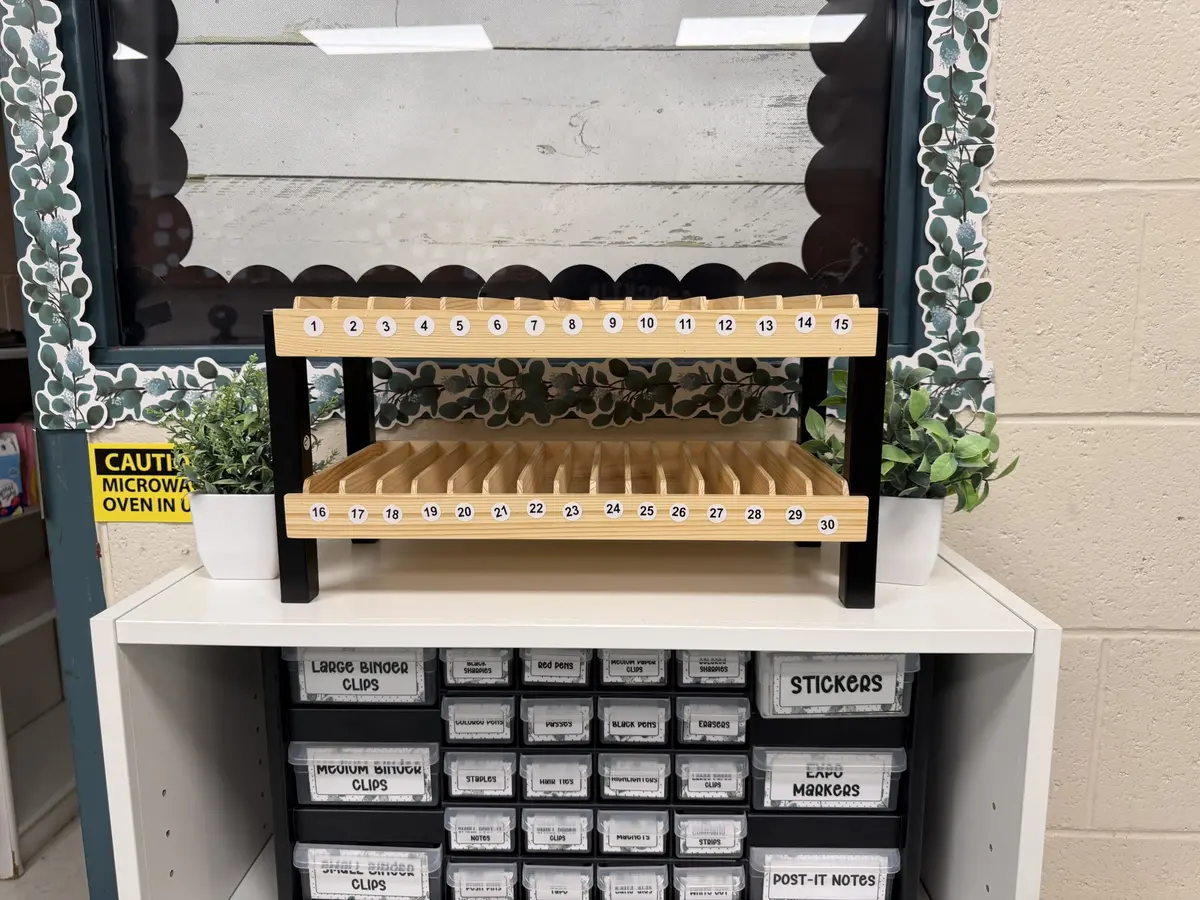
The Southern Regional student handbook states devices must be off during all instructional periods and students must adhere to the policy and procedures established by teachers for each class. Most classrooms have hanging phone holders near the door. Students drop the phone into one of the pockets at the start of class and retrieve it on the way out. Students can use phones between classes and during lunch. Smart glasses and recording devices are prohibited, and the policy states, “Any student in violation of the cell phone policy will receive disciplinary consequences.”
Medica explained that the policies were a result of many meetings among teachers, students and administrators.
“Middle school policies are different than the high school, as they should be. Higher grade levels have higher expectations and more freedom. The penalties which are used are also different between the high school and middle school,” he added.
Pinelands Regional was one step ahead of the new law before the school year even went into effect. According to Acting Superintendent Kim Clark, there was a grassroots movement afoot to lessen screen time for children. A group of teachers had read The Anxious Generation by Jonathan Hadt, which studied the rise in mental health issues among children starting in 2010 due to social media, video games, overprotective parenting and general screen time.

STAYING FOCUSED: Students in New Jersey schools are no longer permitted to have communication devices in class. Southern Ocean County schools, including Southern Regional (above), have seen this as a positive. (Photo Courtesy Southern Regional School District)
The district uses a consultant called Strauss Esmay Associates to help create policy, which led administrators in the direction of curbing cellphone use during school. With an education grant from the state, Pinelands purchased “Yondr pouches” and started a pilot program at Pinelands Junior High School. The pouches are essentially foam bags with a lock. The phone goes into the pouch during homeroom, stays with the student all day and gets unlocked at the end of the day.
“We found that without looking at a phone in the hallways, students were saying ‘hello’ again. They were greeting each other and faculty,” said Clark. “There was no ringing, buzzing and alerts going off in class. And we wondered if once they got their phone back after the last bell, if they would go right back to screen time, but we found there was healthier socialization after school as well. It was very positive.”
Each year, the school has introduced the Yondr pouches to another grade higher. Clark applied for and received a second grant from the state for $12,000 and Pinelands purchased more pouches. Students were already used to them when the state law went into effect in September.
“The staff is no longer policing phones. We’re not policing the Yonder pouches, either. It doesn’t have to be in the pouch as long as it’s away,” said Clark. “And because of that, we are anticipating fewer disciplinary infringements.”
The pre-K through sixth-grade Long Beach Island Elementary School also had a policy that was already in compliance with the law. Phones must be kept away during class.
“As technology continues to become more involved in all of our lives, we have worked to find a balance between it and authentic childhood experience,” said Superintendent Peter Kopack. “We need to foster creativity, social skills and independence. We use Chromebooks, Whiteboards and other modes of technology, so there’s no need for a phone during learning.”
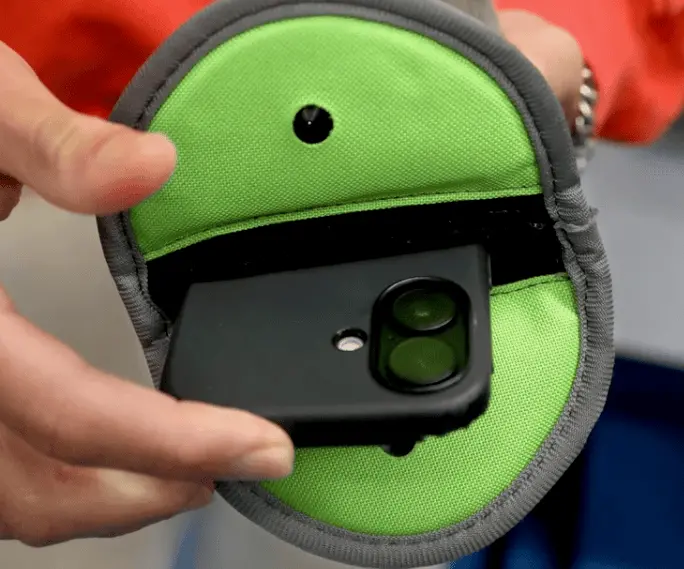
AHEAD OF THE CURVE: The Pinelands Regional School District was already using Yondr pouches to keep phones locked away through the school day before the state policy went into effect. (Photo Courtesy Pinelands Regional School District)
Kopack said he has seen the age of children who have a phone get younger and younger and explained tthere is always good communication among the school, the LBI Health Department, the Ocean County Prosecutor’s Office and Digital Technology Supervisor Shelly Smith. He specifically credited Smith for the healthy environment she has created.
“It’s our job to prepare them for middle school and high school, to work with students and parents so they are prepared for both digital learning and hands-on,” he added.
At an event at Cherry Hill East High School last week, Gov. Sherrill ran down the positive effects seen across the state.
“We know that when kids put down the screens, their mental health and academic performance improve. Giving students a school day free from constant digital distractions creates more room to learn, build friendships, and connect with their teachers,” said Sherrill during a roundtable discussion on the topic. “Today, I heard directly from students about how this change is affecting their lives. As we implement this law, we will continue our administration’s comprehensive work to protect our kids’ mental health, support parents, and hold Big Tech accountable for the harmful content and addictive features they push on our children.”
At Southern, Medica feels the overall feedback from teachers, administrators and even students has been positive.
“Most of the individuals that I have interacted with feel that it is working very well, but we will continue to monitor, have conversations, and look at numbers as we go through the year.”