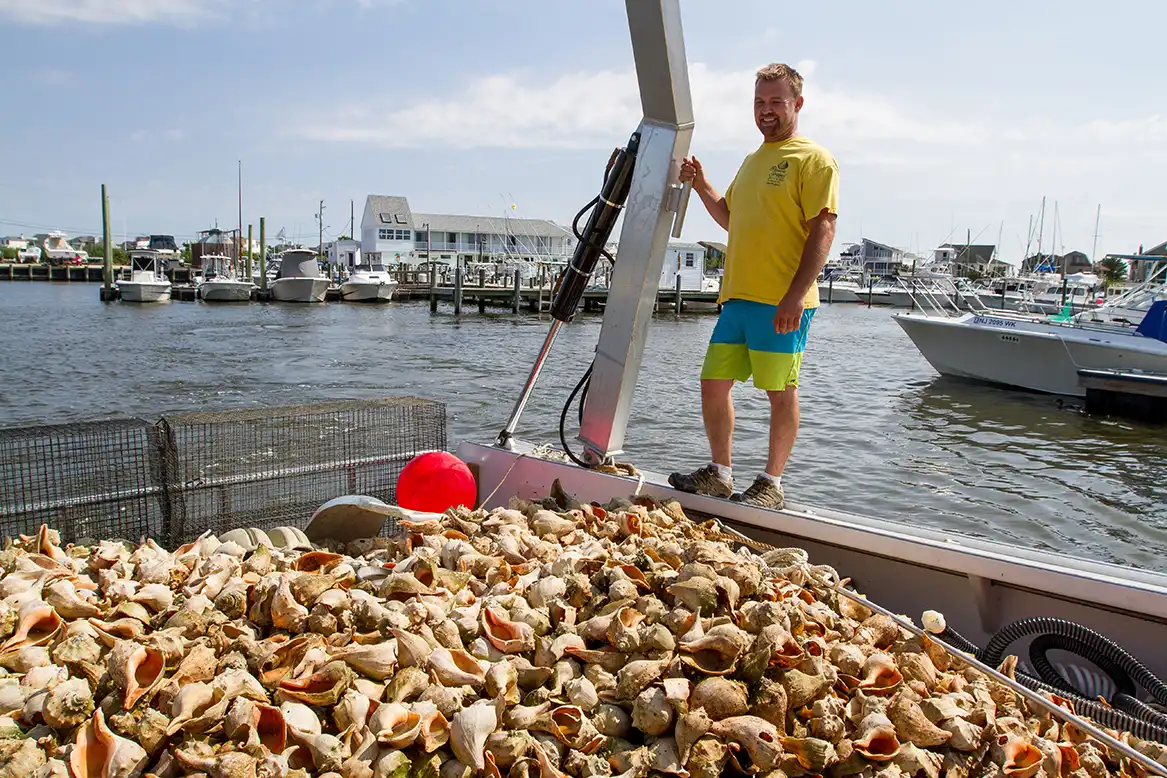
In the late 1800s, oysters were a booming industry in the Little Egg Harbor area. The Tuckerton Railroad would carry barrels of them to Whiting, where they would be put on trains to fish markets in Philadelphia and New York. By the 1920s the oyster stock was depleted and never came back in force. A combination of overharvesting, eelgrass depletion, salinity change and the oyster diseases MSX and dermo ended the boom. Clams took the place of oysters in the local economy.
However, another function of oysters, not suspected centuries ago, is their ability to filter impurities from the bay.
Subscribe to keep reading
This story is from our archive. Get your SandPaper Annual Pass for access to our digital archive, plus everything else a pass includes. Details below.
Annual Pass — $18 Details
365-day access to:
- The complete SandPaper digital archive (stories date back to 2012).
- Full photo galleries from our photographers.
- The entire catalog of SandPaper games, puzzles and quizzes.
How it works
- Enter your email below and click to pay the one-time $18. Card details are entered on Stripe’s secure page.
- You’re in straight away — no password to create, and nothing to set up or manage.
- You stay signed in. If you’re ever signed out, or you read on a new phone or computer, we’ll email you a code to get you back in.
- Never auto-renews. Your pass is good for one year. We will email you when it expires so you can renew if you’d like.
See our site policies for more information.
Already a subscriber? We’ll email a code to get you back in.