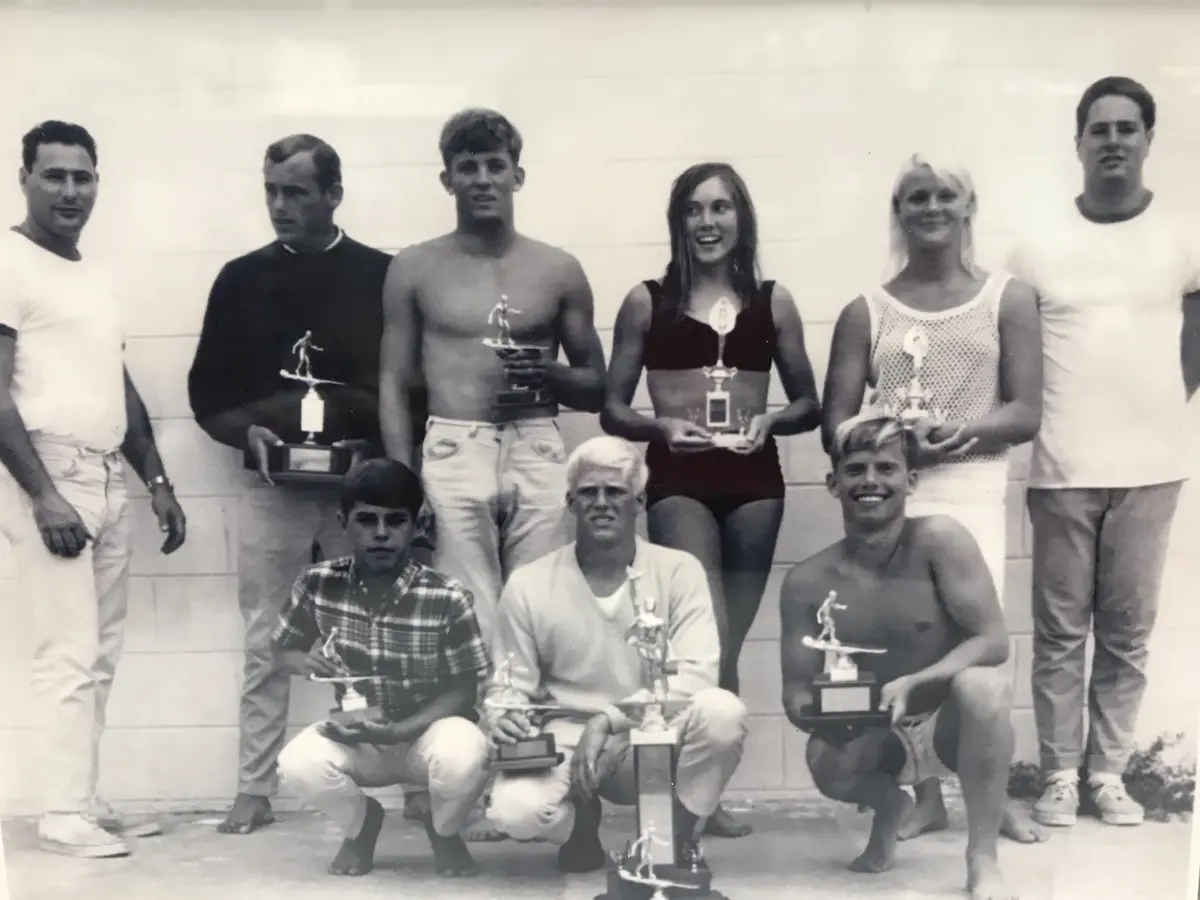
Most historians credit materials developed during World War II, polyester resin and polyurethane foam, as helping surfing’s first boom period. Surfboards made of foam and fiberglass first built in the 1950s made surfboards lighter and surfing more accessible. It became part of music and films, woven into the fabric of a burgeoning youth culture. As the pursuit spread to the East Coast, Long Beach Island developed a thriving surfing scene, just like any other coast.
Though it’s a bit more complex today, the idea of product endorsement was very much the same as it is now.
Subscribe to keep reading
This story is from our archive. Get your SandPaper Annual Pass for access to our digital archive, plus everything else a pass includes. Details below.
Annual Pass — $18 Details
365-day access to:
- The complete SandPaper digital archive (stories date back to 2012).
- Full photo galleries from our photographers.
- The entire catalog of SandPaper games, puzzles and quizzes.
How it works
- Enter your email below and click to pay the one-time $18. Card details are entered on Stripe’s secure page.
- You’re in straight away — no password to create, and nothing to set up or manage.
- You stay signed in. If you’re ever signed out, or you read on a new phone or computer, we’ll email you a code to get you back in.
- Never auto-renews. Your pass is good for one year. We will email you when it expires so you can renew if you’d like.
See our site policies for more information.
Already a subscriber? We’ll email a code to get you back in.